Truth and Reconciliation
The impacts of colonialism continue to shape the lives of Indigenous Peoples in British Columbia and across Canada. Generations of discriminatory laws, forced displacement, cultural suppression and systemic inequities have contributed to ongoing disparities in safety, health, housing, income, education and well-being.
YWCA BC is committed to advancing truth and reconciliation by acknowledging historical and ongoing injustices, deepening our understanding of colonialism's impacts, building meaningful relationships with Indigenous communities, supporting Indigenous leadership and advocating for systemic change that advances equity, safety and self-determination.
Cultural suppression
Colonial policies sought to erase Indigenous languages, traditions, governance systems and ways of knowing through forced assimilation and exclusion.
Dispossession of land and resources
The removal of Indigenous Peoples from their lands disrupted cultural practices, community connections and economic self-determination.
Intergenerational trauma
Residential schools and other colonial policies forcibly separated children from their families and communities, creating lasting harms that continue to be felt across generations.
Economic inequities
Systemic barriers have contributed to disproportionately high rates of poverty, housing instability and economic insecurity among Indigenous Peoples.
Health and social inequities
The ongoing effects of colonialism, racism and unequal access to services continue to contribute to significant disparities in health and well-being.
Barriers to justice and safety
Indigenous women, girls and Two-Spirit people continue to experience disproportionately high rates of violence, reflecting ongoing systemic failures across social, health, justice and public safety systems.

Understanding our past
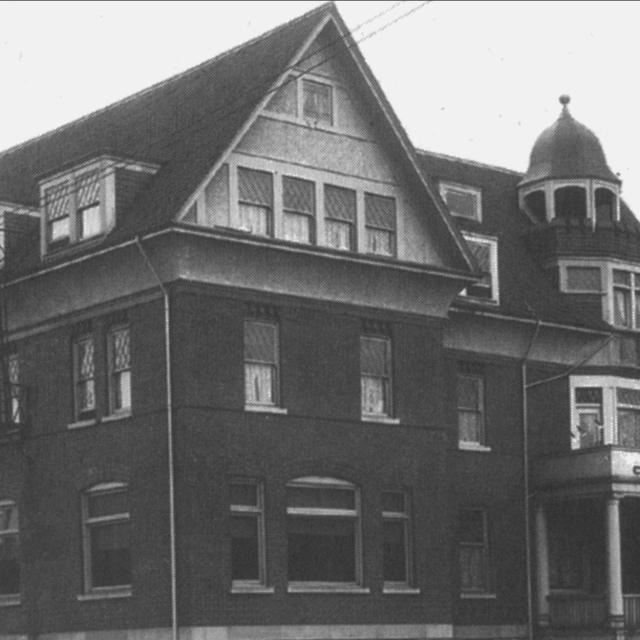
As an organization with a history spanning more than a century, we are committed to better understanding, acknowledging and addressing our role in historic and ongoing colonial systems. This includes archiving our historical records, researching our organizational history and developing a plan to acknowledge harms and advance meaningful actions toward redress.
We recognize the importance of telling the truth about our history, accepting accountability for instances where YWCA supported or benefited from colonial assimilation practices, and learning from that history as we move forward.
Programs and services
For many years, YWCA BC programs such as the FASD Key Worker Program, Books, Bags & Babies and Indigenous Mentorship have served Indigenous children, youth and families.
We are committed to strengthening services for Indigenous community members by listening, learning and responding to community-identified needs. We strive to provide culturally safe and responsive programs that support the well-being, strengths and self-determination of Indigenous participants, families and communities.
Celebration and learning
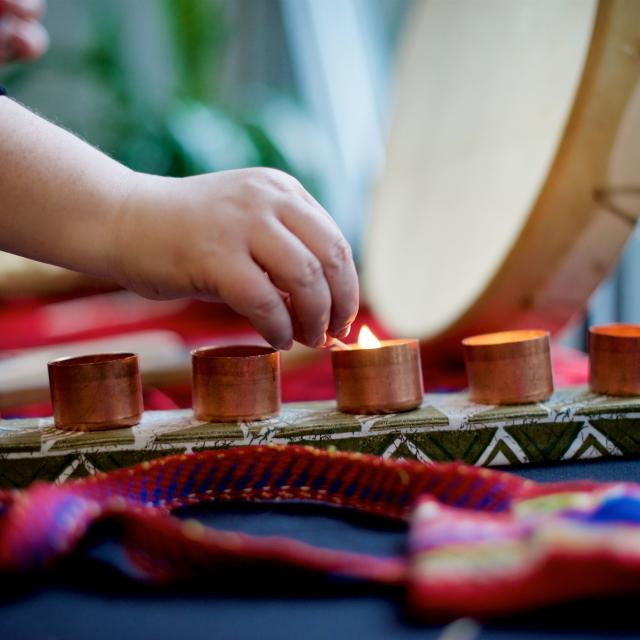
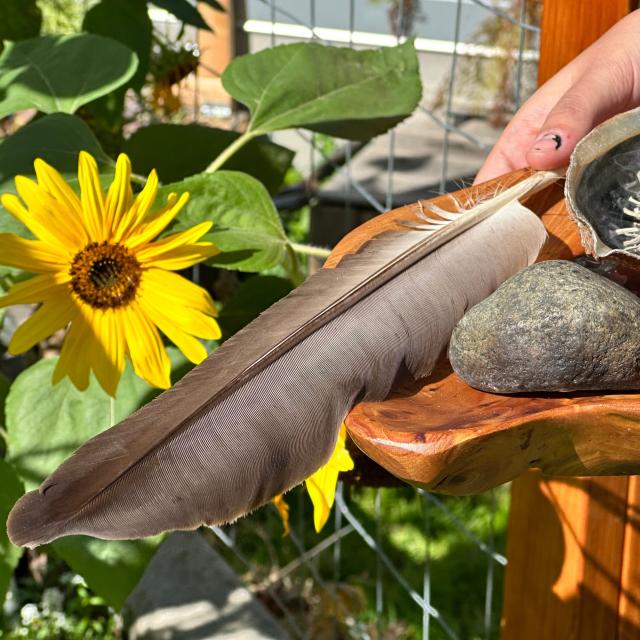
Through events, partnerships and learning opportunities, we will continue to celebrate and elevate Indigenous cultures, knowledge systems, organizations, artists, leaders and communities.
We believe reconciliation requires ongoing learning and relationship-building. By creating opportunities to listen, learn and celebrate, we aim to contribute to greater understanding, respect and connection across communities.
At YWCA BC, we recognize that reconciliation is an ongoing responsibility. We are committed to learning, listening and taking action in partnership with Indigenous communities to help create a more just, equitable and safe future for all.